

Beer styles beyond lager
A practical guide for tasting beyond lager: from wheat beer and saison to IPA, stout and sour beer.
Tasting route
Most beer drinkers start with lager. That makes sense: clear, refreshing and familiar. But once you notice how malt, yeast, hops and fermentation each shape the glass, beer becomes much more interesting.
Do not treat styles as strict rules. Use them as a compass. A style tells you where to look: fresh, bitter, spicy, roasted, sour or rounded.
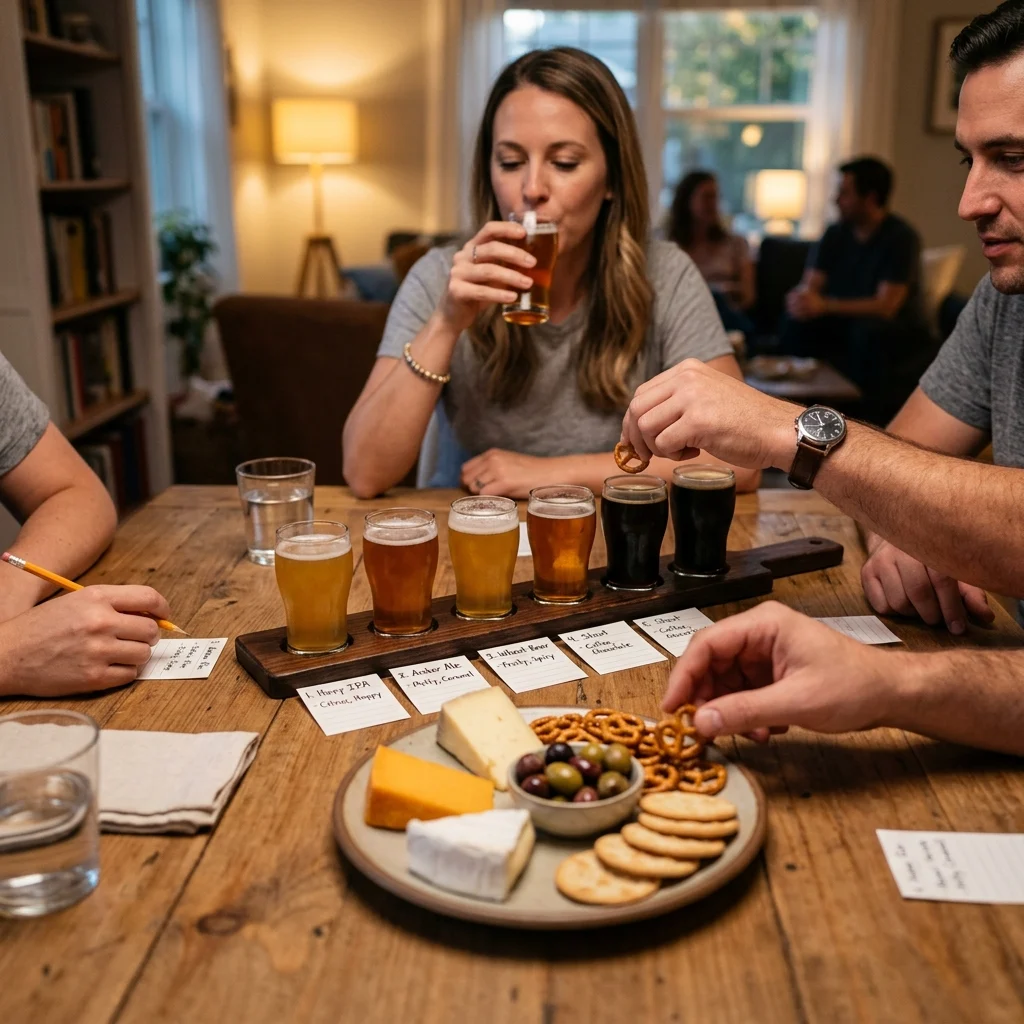
Six styles that open your flavour map
Coriander, citrus, wheat and soft spice.
Ideal for recognizing freshness and texture.
Dry finish, peppery yeast, sometimes light funk.
Great with food because it finishes clean.
Hop aroma, bitterness, fruit and balance.
Compare a hazy IPA with a crisp West Coast IPA.
Roasted malt, coffee, cocoa, sometimes creaminess.
Taste slowly and watch bitter versus sweet.
Lactic acidity, fruit, freshness and tension.
Start small. Sour works better as an accent than as volume.
Spicy yeast, higher alcohol and soft sweetness.
Look for warmth and balance, not just strength.
How to taste without getting lost
Start light and fresh, finish dark, bitter or sour. Drink water in between and keep notes short. Three words per beer is often enough.
Look first: colour and foam already say something about malt and body.
Smell briefly: hops and yeast are often clearer in aroma than taste.
Take small sips: bitterness and acidity build over time.
Compare deliberately: two beers side by side teach more than six separate pours.
Turn it into your BrewCircle
Pick a style, taste two examples side by side and record what you actually notice. The best beer knowledge comes from comparison, not definitions.


